Many people with fine or thin hair dream of achieving fuller, longer locks but worry that hair extensions might not be suitable for their hair type. The good news is that hair extensions are absolutely possible for thin hair, but choosing the right technique and following proper care protocols are essential for achieving beautiful results without damaging your natural hair. Understanding which methods work best and why can help you make an informed decision about extension options.
Understanding Thin Hair Structure
Thin hair can refer to two different characteristics: fine hair texture (the actual diameter of individual strands) or low hair density (fewer hair follicles on the scalp). Often, people have both conditions simultaneously. Fine hair has a smaller shaft diameter, making it more delicate and prone to breakage. Low-density hair means there are fewer strands overall, creating a sparse appearance. Both conditions require careful consideration when selecting extension methods, as the wrong technique can cause visible attachment points, strain on natural hair, or inadequate support for the extensions.
Can Thin Hair Support Extensions?
The short answer is yes, but with important caveats. Thin hair can absolutely support extensions when the right technique is used and proper weight distribution is maintained. The key is selecting methods that don’t place excessive tension on individual strands or create heavy focal points that weak hair cannot support. Professional assessment is crucial—an experienced extension specialist can evaluate your hair’s strength, density, and condition to recommend the most suitable approach.
Factors that determine suitability include the overall health of your hair, whether you have any scalp conditions, your hair’s natural strength and elasticity, and your lifestyle and maintenance commitment. If your hair is thin due to temporary factors like postpartum shedding, medication, or stress, it may be better to wait until your hair returns to its normal state.
Best Extension Techniques for Thin Hair
Not all extension methods are created equal when it comes to fine or thin hair. Some techniques are specifically designed to work with delicate hair types, while others can cause damage or be too visible.
Tape-In Extensions
Tape-in extensions are often considered the gold standard for thin hair. These extensions use thin, lightweight adhesive strips that lay flat against the scalp, distributing weight across a larger surface area rather than concentrating stress on individual strands. The attachment points are virtually invisible, even with fine hair, and the application process is gentle with no heat or chemicals required.
Advantages for thin hair:
- Minimal weight and tension on natural hair
- Flat, discreet attachment points that don’t create bumps
- Quick application and removal process
- Can be reused multiple times with proper care
- Less damage risk compared to bonded methods
- Suitable for adding both length and volume
The main consideration with tape-ins is that they require maintenance every 6-8 weeks as your hair grows, and you’ll need to avoid oil-based products near the adhesive strips.
Micro-Link or Micro-Bead Extensions
Micro-link extensions use tiny beads or rings to attach extension hair to small sections of natural hair. For thin hair, nano rings (even smaller than micro rings) are preferable as they create minimal bulk and distribute weight effectively. This technique doesn’t use heat or glue, making it one of the gentlest options available.
These extensions work well for thin hair because the attachment points are extremely small and customizable. Your stylist can adjust the number and placement of beads to ensure your natural hair isn’t overwhelmed. However, proper application is critical—beads that are too tight can cause breakage, while loose beads may slip.
Halo Extensions
For those with very fine or fragile hair, halo extensions offer a completely non-damaging alternative. These extensions sit on top of your head like a headband, with an invisible wire hidden beneath a thin layer of your natural hair. There’s no attachment to your actual hair strands, eliminating any risk of damage, tension, or breakage.
Halo extensions are ideal for occasional wear, special events, or for people who want the flexibility to remove extensions daily. The drawback is that they’re not suitable for all-day wear or sleeping, and they may not feel as secure as other methods during active movement.
Clip-In Extensions
Clip-in extensions provide another temporary, damage-free option for thin hair. Modern clip-ins designed specifically for fine hair use smaller, lighter clips and thinner wefts that blend seamlessly. While not a permanent solution, they allow you to experiment with extensions without commitment and can be easily removed whenever needed.
Techniques to Avoid with Thin Hair
Some popular extension methods are too harsh or heavy for thin, delicate hair and should generally be avoided or approached with extreme caution.
Methods that pose higher risks:
- Traditional keratin capsule/fusion extensions, which can be too heavy and create visible bonds on fine hair
- Sew-in or weave extensions, which require tight braiding that can stress thin hair and cause traction alopecia
- Large tape-in strips, which may be too heavy and visible on low-density hair
- Any method using thick wefts or heavy bundles that overwhelm natural hair
Proper Application Considerations
Even with the right technique, proper application is crucial for thin hair. A skilled extension specialist will take several factors into account when applying extensions to fine or thin hair.
Your stylist should use smaller sections of natural hair for each extension attachment, ensuring no single area bears too much weight. Strategic placement is essential—extensions should be positioned to maximize volume and coverage while avoiding strain on weak areas. The amount of extension hair added must be carefully calibrated; adding too much length or volume at once can overwhelm thin hair.
Color matching becomes even more critical with thin hair, as any contrast between natural hair and extensions will be more noticeable. Many specialists recommend starting with less volume initially and adding more during later appointments once you’ve confirmed your natural hair can handle the weight.
Maintenance and Care Requirements
Extensions on thin hair require diligent maintenance to prevent damage and ensure longevity. Your natural hair will need extra support and nourishment to handle even lightweight extensions.
Essential care practices include:
- Using sulfate-free, gentle shampoos that won’t strip natural oils
- Applying lightweight conditioning treatments that don’t cause slippage
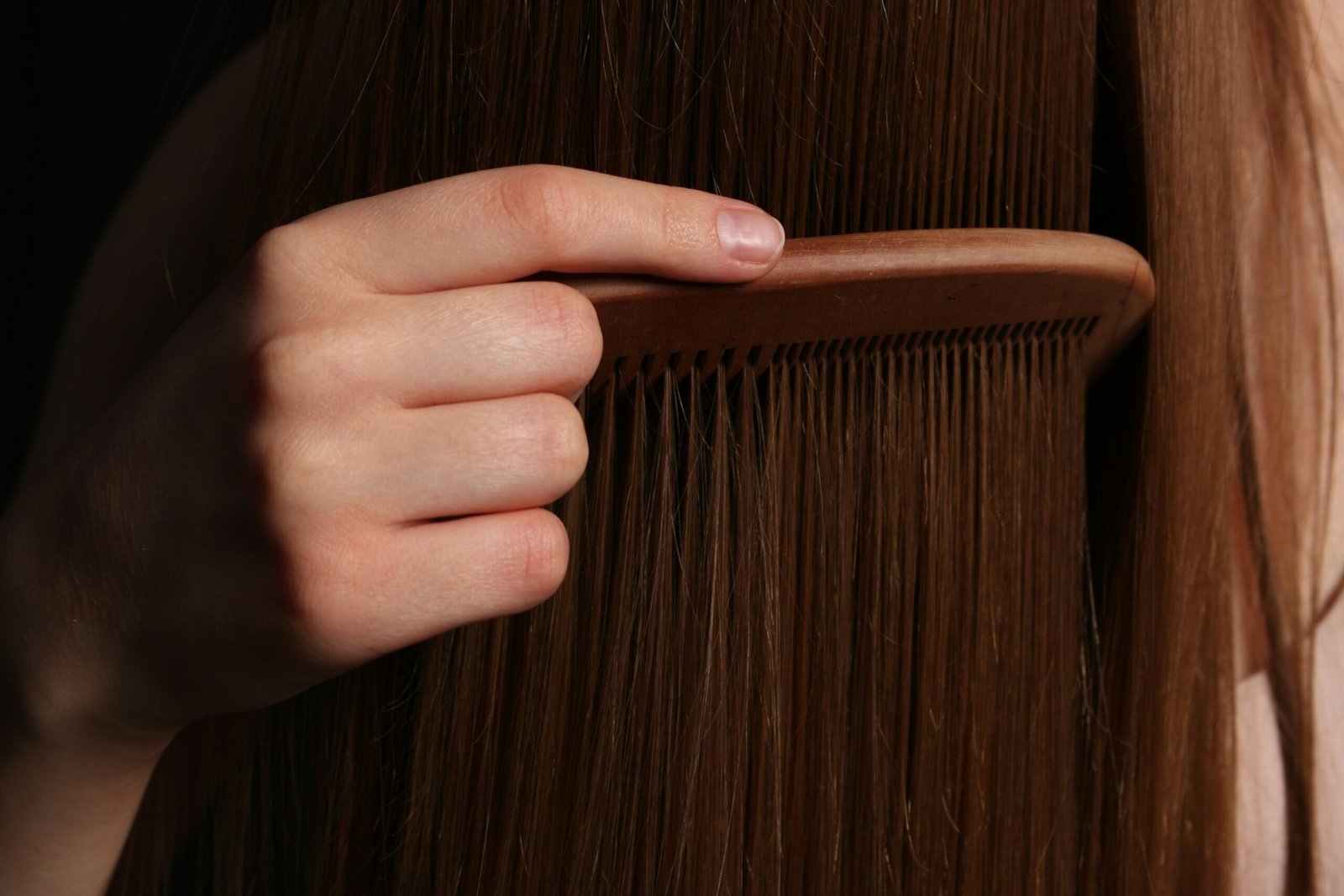
- Brushing with extension-safe brushes multiple times daily to prevent tangling
- Sleeping with hair in a loose braid or protective style
- Avoiding excessive heat styling that can further weaken thin hair
- Taking biotin, collagen, or other hair-supporting supplements as recommended by your doctor
- Attending all scheduled maintenance appointments to ensure proper weight distribution
Managing Expectations
While extensions can dramatically improve the appearance of thin hair, it’s important to have realistic expectations. Extensions work best when they enhance your natural hair rather than completely transforming it. For very thin hair, the goal should be subtle volume and length rather than extremely dramatic changes.
You may need to accept certain limitations, such as not being able to achieve extremely long or thick hair if your natural hair is very fine, requiring more frequent maintenance appointments than people with thicker hair, and possibly needing shorter extension lengths to minimize weight on delicate strands.
Hair Health First
Before committing to extensions, prioritize the health of your natural hair. If your thin hair is due to nutritional deficiencies, hormonal imbalances, or underlying health conditions, address these issues first. Consider consulting with a dermatologist or trichologist to rule out conditions like alopecia, thyroid problems, or vitamin deficiencies.
Spend several months strengthening your hair through proper nutrition, gentle care, and minimal heat styling before adding extensions. This preparation creates a stronger foundation that can better support extensions and reduces the risk of damage.
Conclusion
Thin hair doesn’t have to prevent you from enjoying the confidence and versatility that hair extensions provide. With the right technique—typically tape-ins, micro-links, or halo extensions—and proper care, people with fine or thin hair can successfully wear extensions while maintaining their natural hair’s health. The key is working with an experienced specialist who understands the unique challenges of thin hair and can customize the application to your specific needs. By choosing appropriate methods, maintaining realistic expectations, and committing to proper care, you can achieve the fuller, longer hair you’ve always wanted without compromising the integrity of your natural hair. Always remember that professional guidance is invaluable, and investing in quality extensions and skilled application will yield the best results for your thin hair.
