

Blow-drying hair with capsule extensions requires special attention and technique to prevent damage to the keratin bonds. Heat is the primary factor that can weaken, deform, or even melt the capsules, leading to slippage and premature extension loss. Understanding how to properly use a hairdryer while protecting your investment is essential for anyone with capsule extensions.
Understanding Heat Sensitivity of Capsules
Capsule extensions are attached using keratin bonds that are heat-activated during application. While these bonds are durable under normal conditions, excessive heat can soften them, compromising their grip on your natural hair. The keratin begins to soften at temperatures around 150-160°F (65-70°C), and prolonged exposure to high heat can cause irreversible damage. This means your blow-drying technique must be carefully controlled to avoid reaching these critical temperatures.
Optimal Drying Temperature and Settings
The key to safe blow-drying is maintaining moderate heat levels throughout the process. Always use the lowest or medium heat setting on your hairdryer, never the highest setting. Modern hairdryers often come with multiple heat and speed options, and for extension care, cool to warm air is always preferable to hot air.
Recommended settings include:
- Low to medium heat setting (never high heat)
- Medium to high airflow speed for faster drying without excessive heat
- Cool shot button for finishing and setting the style
- Ionic function if available, which reduces drying time and frizz
- Temperature not exceeding 300°F (150°C) at the nozzle
Safe Distance and Movement
Maintaining proper distance between the hairdryer and your capsules is crucial for preventing overheating. Hold the dryer at least 6-8 inches (15-20 cm) away from your hair at all times, and increase this distance to 10-12 inches when drying near the capsule attachment areas. Never hold the dryer in one spot for more than a few seconds.
Keep the hairdryer in constant motion, moving it up and down and side to side in smooth, continuous movements. This distributes heat evenly and prevents any single area from becoming overheated. Think of it like painting with broad strokes rather than focusing on small details.
Step-by-Step Blow-Drying Technique
Begin the drying process immediately after gently towel-drying your hair. The less time wet hair spends tangled, the better for your extensions and natural hair.
Proper blow-drying sequence:
- Apply a heat protectant spray throughout your hair, focusing on mid-lengths to ends
- Section your hair into manageable portions using clips, working with one section at a time
- Start with the lower sections and work your way up to avoid dripping water onto dried areas
- Direct airflow downward along the hair shaft, following the direction of the cuticle
- Dry the roots and capsule areas first using cool to warm air, maintaining extra distance
- Move to mid-lengths and ends, where you can use slightly warmer air if needed
- Use a paddle brush or round brush to smooth hair while drying, but avoid pulling on capsules
- Finish each section with a blast of cool air to seal the cuticle and set the style
Protecting Capsule Zones
The areas where capsules are attached require extra caution and care. When drying near the bonds, angle the hairdryer away from the direct capsule attachment point. Focus on drying the hair strands themselves rather than directing heat onto the actual capsules. You can gently hold the capsules with your free hand to monitor their temperature—if they feel warm to the touch, you’re too close or using too much heat.
Create a buffer zone by keeping the dryer nozzle angled and never pointing directly at the capsule rows. Think of it as drying around the capsules rather than over them.
Alternative Drying Methods
Sometimes the best approach is to minimize blow-drying altogether. Air-drying whenever possible significantly reduces heat exposure and extends the life of your extensions.
Heat-reduction strategies:
- Air-dry your hair for 30-60 minutes before using the hairdryer to reduce overall drying time
- Use a microfiber towel or t-shirt to absorb excess moisture more effectively than regular towels
- Apply leave-in products that accelerate drying time naturally
- Consider sleeping in a loose braid on wash nights to create waves while air-drying overnight
- Use the cool setting exclusively when possible, even though it takes longer
- Invest in a high-quality ionic hairdryer that dries faster at lower temperatures
Tools and Accessories
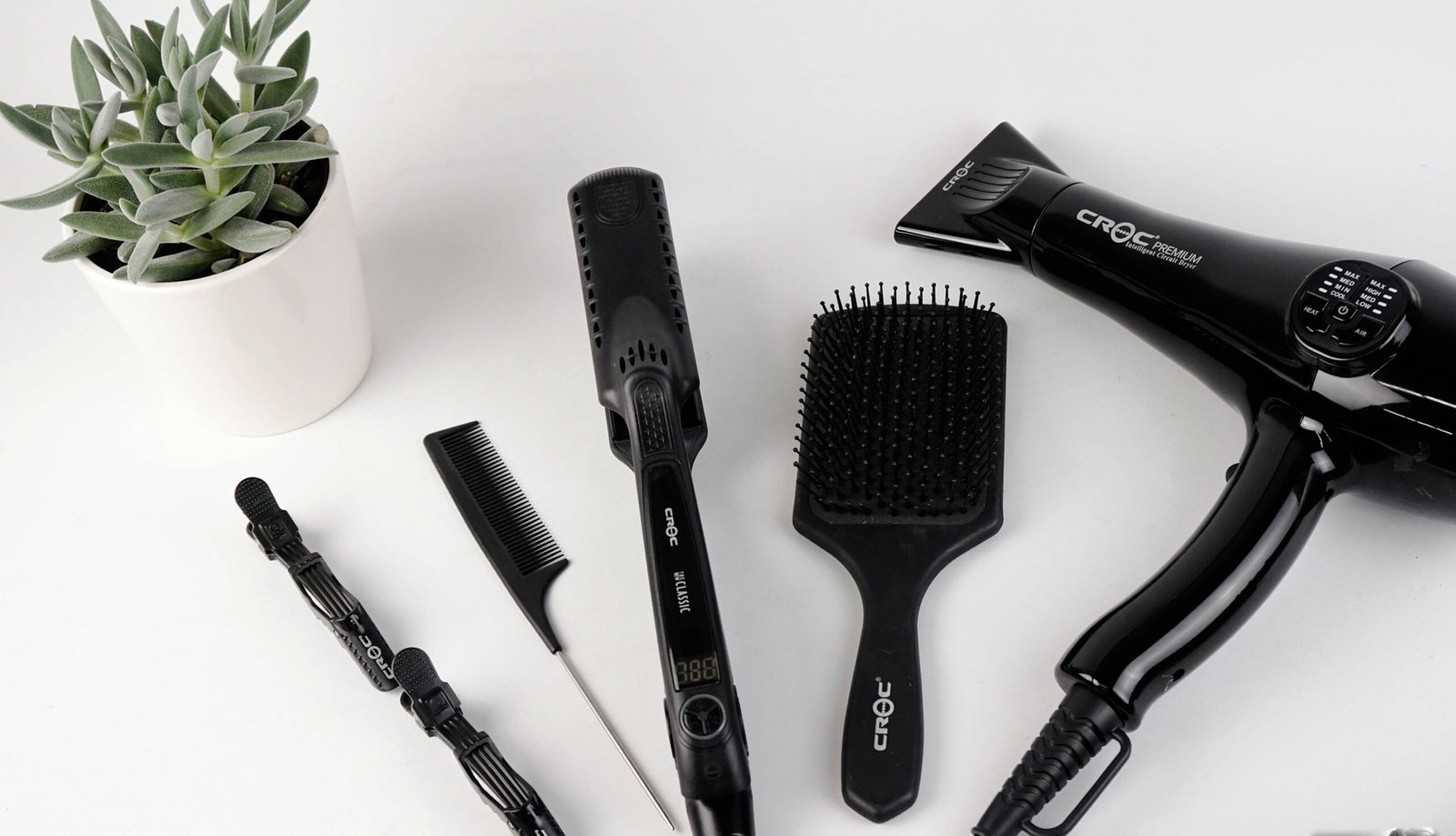
Using the right tools can make a significant difference in protecting your capsules during blow-drying. A concentrator nozzle attachment helps direct airflow precisely where you want it, reducing scattered heat that might hit capsules unintentionally. Extension-safe brushes with flexible bristles prevent pulling on capsules while distributing heat more evenly through your hair.
Consider investing in a professional-grade hairdryer with advanced temperature control and ionic technology. While more expensive initially, these tools provide more consistent, controllable heat that’s safer for extensions and actually speeds up the drying process.
Common Overheating Mistakes
Many people unknowingly damage their extensions through improper drying techniques that seem harmless but create cumulative damage over time.
Errors to avoid:
- Holding the dryer too close while trying to dry hair faster
- Using maximum heat settings to save time
- Concentrating airflow on one spot while multitasking
- Blow-drying hair when it’s still soaking wet instead of towel-drying first
- Forgetting to use heat protectant products before styling
- Drying hair upside down, which tangles extensions and exposes capsules to more heat
- Using old hairdryers without temperature regulation or overheat protection
Signs of Heat Damage
Learning to recognize early warning signs of heat damage allows you to adjust your technique before serious problems develop. Check your capsules regularly, especially in the first few weeks after installation, to ensure your drying routine isn’t causing issues.
Watch for these indicators:
- Capsules feeling softer or more pliable than when first applied
- Visible changes in capsule shape or flattening
- Extensions sliding down or feeling loose at the attachment point
- Discoloration or darkening of the keratin bonds
- Increased hair shedding from the capsule areas
Conclusion
Mastering the art of blow-drying with capsule extensions requires patience, practice, and attention to detail. By maintaining appropriate heat levels, proper distance, and constant movement, you can achieve beautifully styled hair without compromising your extensions. Remember that taking a few extra minutes to dry your hair carefully will pay dividends in extension longevity—most capsule extensions should last 3-4 months with proper care, and gentle blow-drying is a cornerstone of that maintenance routine. When in doubt, err on the side of caution with cooler temperatures and greater distance, and always consult your extension specialist if you notice any signs of heat damage.
