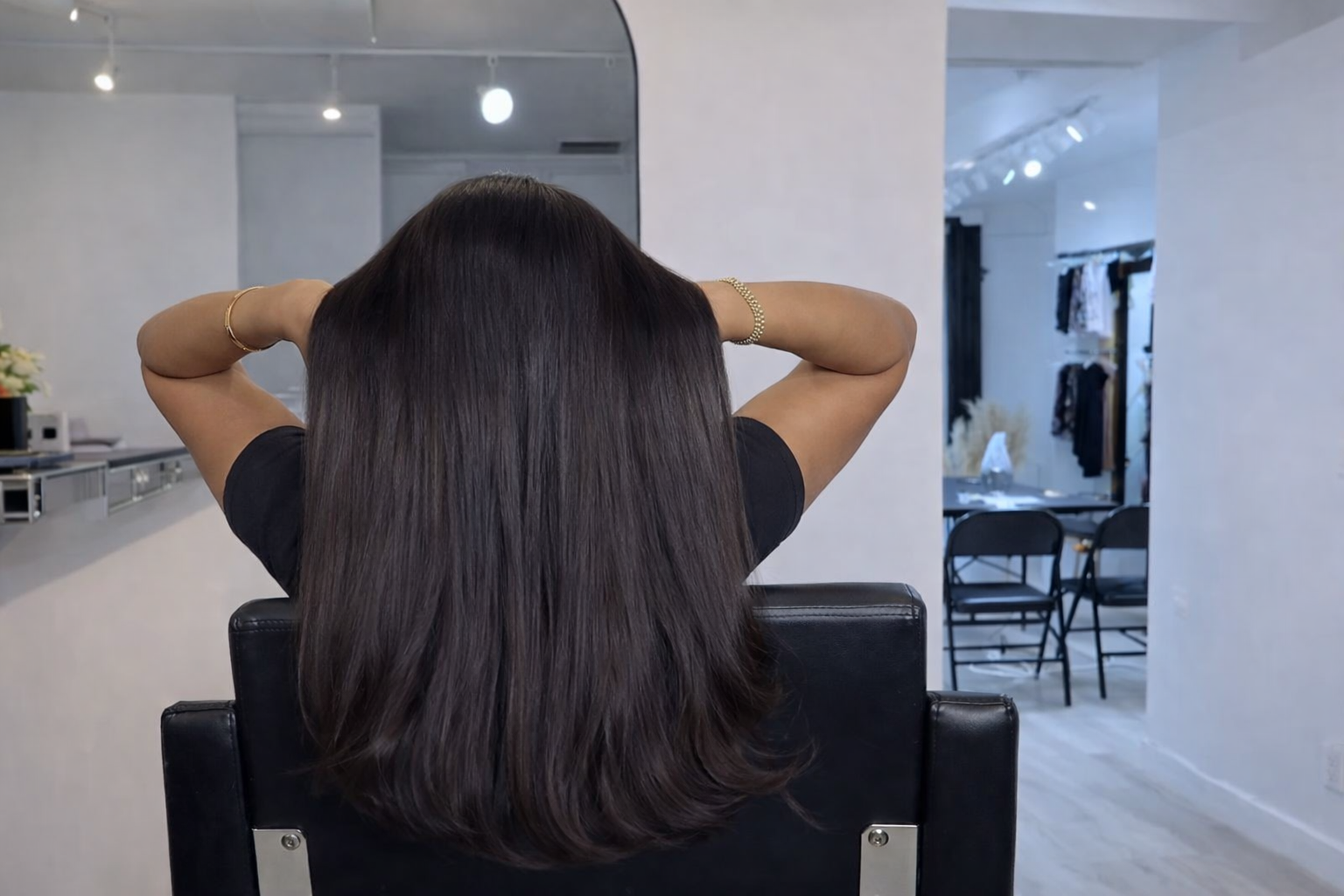
The beauty industry has always been driven by the pursuit of transformation — but 2026 marks a decisive shift in direction. Rather than dramatic, high-contrast changes, today’s most sought-after looks celebrate subtlety, authenticity, and effortless elegance. Natural-looking hair extensions have emerged as the defining beauty trend of the year, reshaping how women across the globe approach volume, length, and texture.
Why “Natural” Is the New Luxury?
For years, hair extensions were synonymous with obvious glamour — thick, uniform curtains of hair that signaled wealth and ambition. But tastes have evolved. The modern consumer is more informed, more discerning, and above all, more interested in looking like the best version of herself rather than someone else entirely.
This cultural pivot is closely tied to broader movements in beauty and wellness. The “quiet luxury” aesthetic that swept fashion runways in recent years has inevitably influenced hair trends. Women no longer want extensions that announce themselves — they want hair that flows, moves, and behaves as if it simply grew that way overnight. The goal is not illusion but enhancement.
The Technology Behind the Transformation
Achieving a truly natural result is not as simple as it might appear — and this is precisely where 2026’s innovations shine. Hair extension technology has advanced dramatically, with manufacturers now producing strands that mirror the variable thickness of real human hair from root to tip. Unlike older products that featured uniform diameters throughout, modern extensions taper naturally, creating a seamless blend that stylists describe as virtually undetectable.
Tape-in extensions remain a dominant method, praised for their flat, flexible bonds that lie flush against the scalp. However, nano-ring and micro-link techniques have surged in popularity, particularly among clients with finer hair. These methods require no heat or adhesive, dramatically reducing the risk of damage and allowing for a more customized placement that follows the natural growth pattern of each individual.
Color technology has equally transformed. Balayage and lived-in coloring on extensions — where depth, dimension, and sun-kissed tones are painted by hand — have replaced the flat, single-tone shades that once gave extensions away. A skilled colorist working with today’s materials can create results indistinguishable from months spent under the summer sun.
Texture Is Everything
If 2026 has a single defining word in the world of hair extensions, it is texture. Perfectly straight, glossy extensions that dominated the early 2000s have given way to wavy, softly textured alternatives that complement the natural movement of real hair. Beachy waves, loose curls, and even subtle frizz-matching for those with naturally textured hair are now standard offerings in premium salons.
This textural revolution has been particularly meaningful for women with curly and coily hair types. For decades, extensions catered almost exclusively to straight and wavy patterns, leaving a significant portion of clients underserved. Today, kinky, coily, and tightly curled extension options crafted from ethically sourced human hair have become widely available, opening the world of extensions to a far more diverse clientele and redefining the conversation around natural beauty standards altogether.
Sustainability and Ethics Enter the Conversation
The modern extension client is not only style-conscious but values-driven. The sourcing and sustainability of hair extensions have become pressing topics, with consumers increasingly demanding transparency about where their hair comes from and how it was obtained. Reputable brands are responding with detailed supply chain disclosures, fair compensation practices for hair donors, and the development of high-quality synthetic alternatives engineered to behave like human hair.
Eco-conscious packaging, reduced chemical processing, and longer-lasting product formulations that minimize replacement frequency are also gaining commercial traction. In 2026, choosing natural-looking extensions is as much an ethical statement as a style one.
The Stylist’s Role in the Natural Revolution
Perhaps the most underappreciated factor in the natural extensions trend is the growing artistry of the professionals applying them. Top-tier extension specialists today function more like architects than technicians — analyzing face shape, natural hair density, growth patterns, and lifestyle before recommending a single strand. The consultation process has become as important as the application itself.
This personalized approach ensures that the final result feels tailored rather than generic, integrated rather than added. The best extensions in 2026 are invisible not because technology alone makes them so, but because skilled hands placed them exactly where nature would have.
Conclusion
Natural-looking hair extensions in 2026 represent far more than a passing trend — they embody a sophisticated, modern understanding of beauty as something deeply personal and quietly powerful. As technology, artistry, and conscious consumerism converge, the industry is delivering results that honor individuality rather than override it. The future of extensions is not about being more — it is about being unmistakably, beautifully yourself.
