
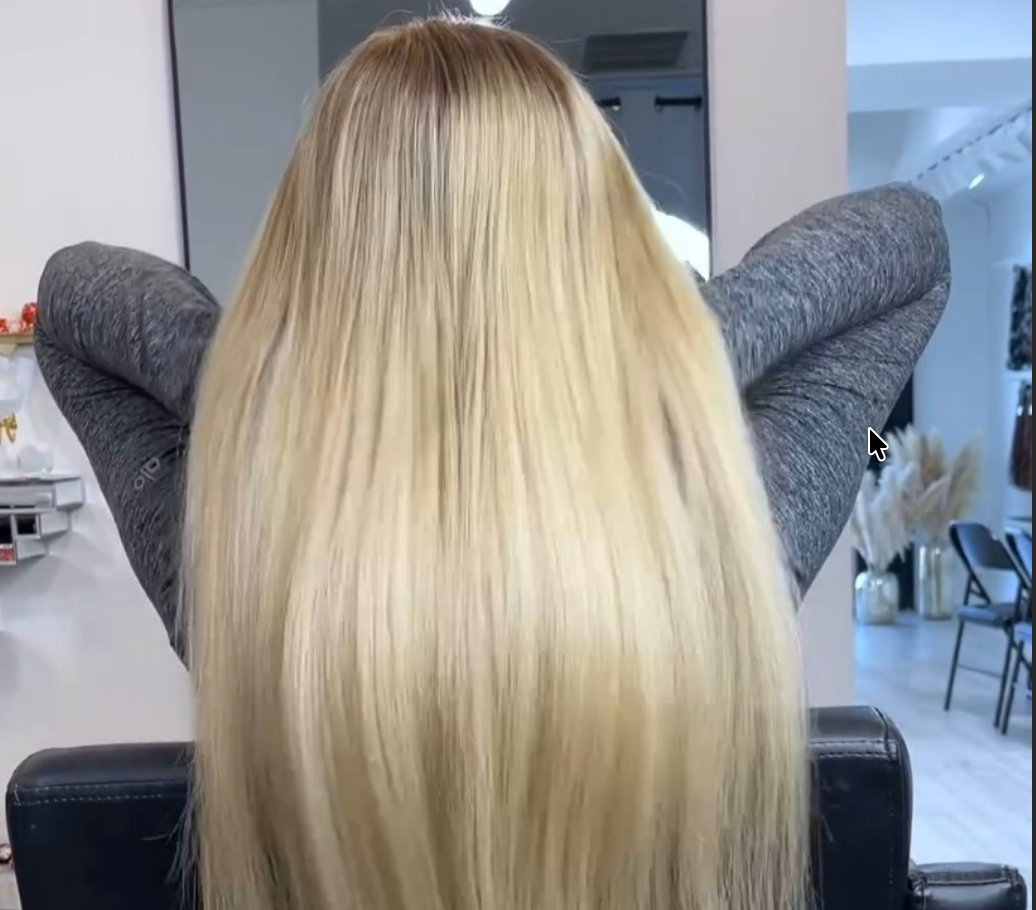
Maintaining beautiful hair extensions requires regular attention and timely correction appointments. Whether you have capsule, tape-in, or any other extension method, knowing when to schedule your correction can make the difference between gorgeous hair and potential damage. Ignoring the signs that your extensions need professional attention can lead to tangling, matting, or even harm to your natural hair. Here are ten clear indicators that it’s time to visit your extension specialist.
- Visible Regrowth
The most obvious sign is when you can see a noticeable gap between your scalp and where the extensions are attached. Typically, this becomes apparent after 6-8 weeks for most extension methods, though it varies depending on how quickly your hair grows. When this gap reaches 1-2 centimeters, it’s definitely time to book that appointment. Not only does regrowth affect the aesthetic appeal, but it also creates weight imbalance that can stress your natural hair. The longer extensions sit away from the scalp, the more they pull on the attachment points, potentially causing breakage.
- Tangling at the Roots
If you notice increased tangling near the attachment points or roots, this is a critical warning sign. As your natural hair grows, it can start wrapping around the bonds or attachments, creating knots that become progressively worse. This matting happens because the extension prevents your natural shed hair from falling away normally—instead, these shed strands accumulate at the attachment zone. If you feel rough patches or bumps when running your fingers through your hair near the roots, don’t wait. These tangles will only worsen and become increasingly difficult to remove without causing damage.
- Loosening or Slipping Extensions
Extensions that feel loose, move easily, or have visibly slipped down the hair shaft need immediate attention. This happens when the bond weakens due to natural oil production, product buildup, or simply the passage of time. Loose extensions are at high risk of falling out completely, and you could lose both the extension and some of your natural hair in the process. Check your extensions regularly by gently tugging on them—if they slide or feel unstable, schedule a correction immediately.
- Loss of Volume and Fullness
When your extensions first go in, they provide beautiful volume and thickness. Over time, you may notice this fullness diminishing as the extensions settle and your natural hair grows. The weight distribution changes as the attachment points move away from your scalp, causing the extensions to hang differently and appear less voluminous. If your hair looks flatter or thinner than it did initially, despite the extensions still being attached, it’s time for repositioning and possibly adding new extension pieces.
- Discomfort or Pulling Sensation
You should never feel pain or significant pulling from your extensions. As your hair grows and the extensions move away from your scalp, the angle of pull changes, which can create tension and discomfort. Some people experience headaches, scalp tenderness, or a constant pulling feeling. This isn’t just uncomfortable—it’s a sign that your natural hair is under stress and could be damaged if the situation continues. Never ignore pain or discomfort; it’s your body telling you something needs adjustment.
- Difficulty Styling
If your extensions suddenly become harder to style, won’t hold curls the way they used to, or seem to be fighting against your natural hair texture, regrowth is likely the culprit. When extensions sit too far from the scalp, they behave differently during styling. You might notice that the top portion of your hair (your natural regrowth) styles one way while the extensions behave completely differently. This creates an unflattering, unblended appearance that no amount of product or technique can fix—only a correction appointment will solve this issue.
- Visible Attachment Points
One of the main goals of quality extensions is invisibility. If you can easily see the bonds, tape, beads, or other attachment mechanisms when your hair is down or styled normally, your extensions have grown out too much. This is especially noticeable with updos or when wind blows your hair. Visible attachments are a clear cosmetic concern, but they also indicate that the extensions are no longer in their optimal position for both appearance and hair health.
- Excessive Shedding from Extensions
All extensions shed a small amount, but excessive shedding is a red flag. If you notice significantly more extension hair coming out when you brush, wash, or style, the attachments may be weakening or the extensions themselves may be wearing out. Track how much hair you’re losing—if you’re pulling out entire extension pieces or finding clumps in your brush, don’t wait for your scheduled appointment. Early intervention can often save extensions that might otherwise need complete replacement.
- Matting or Webbing
Matting occurs when shed natural hair becomes trapped at the extension attachment points and creates a web-like tangle. This is more common with certain extension methods and tends to worsen rapidly once it starts. You might feel a rough, matted area when touching your hair near the bonds, or notice that sections of hair won’t separate properly. Matting requires professional attention to remove safely—attempting to detangle it yourself often causes more damage and hair loss.
- The Time Interval
Even if none of the above signs are present, time itself is an important factor. Most extension methods have recommended correction intervals based on extensive experience with how long they maintain their integrity.
Standard correction timeframes:
- Tape-in extensions: every 6-8 weeks
- Micro-link or bead extensions: every 8-10 weeks
- Fusion or capsule extensions: every 10-12 weeks
These timeframes exist for good reason—they account for average hair growth rates and the lifespan of attachment methods. Exceeding these intervals, even if everything looks fine, increases risk of tangling, matting, and damage that may not be immediately visible but will become apparent later.
The Cost of Waiting Too Long
Delaying your correction appointment to save money or time often backfires. Extensions left in place too long can cause significant matting that takes hours to remove, potentially damaging your natural hair. In severe cases, matted extensions may need to be cut out, resulting in hair loss. You might also lose reusable extensions that could have been saved with timely maintenance, ultimately costing more to replace.
Conclusion
Paying attention to these ten signs and maintaining a regular correction schedule is essential for keeping your extensions beautiful and your natural hair healthy. Most specialists recommend booking your next correction appointment before you even leave your current one, ensuring you stay on schedule. Remember that extensions are an investment in your appearance, and proper maintenance protects that investment while preventing damage to your natural hair. When in doubt, it’s always better to schedule a correction slightly early rather than risk waiting too long.
