Hair extensions have become one of the most popular beauty treatments worldwide, offering instant length, volume, and versatility. Yet despite their popularity, they’re surrounded by a cloud of misconceptions. Many women avoid extensions entirely out of fear, while others use them carelessly, not knowing the real risks. Let’s separate fact from fiction and take an honest look at what extensions actually do — and don’t do — to your natural hair.
Myth #1: Hair Extensions Always Damage Your Hair
The truth: Extensions don’t damage hair on their own — improper application, maintenance, and removal do.
When applied correctly by a certified professional, hair extensions can be worn for months without causing any harm. The key factors are the method chosen, the weight of the extensions, and how well you care for them. Tape-in and clip-in extensions, for example, are considered among the gentlest options available when used correctly. Damage occurs when extensions are applied too tightly, left in too long, or ripped out without proper removal techniques.
Myth #2: Extensions Cause Permanent Hair Loss
The truth: Most extension-related shedding is temporary and reversible.
There is a real condition called traction alopecia — hair loss caused by prolonged tension on the hair follicles. It can result from extensions that are too heavy or attached too close to the scalp with excessive pull. However, this condition is largely preventable. As long as you choose lightweight extensions suited to your hair type, take proper breaks between applications, and visit a professional, permanent hair loss is extremely unlikely. If you notice thinning, addressing it early means your hair will almost certainly recover fully.
Myth #3: All Extension Methods Are Equally Damaging
The truth: The method matters enormously.
Different extension techniques carry very different risk profiles:
- Clip-in extensions — the safest option, as they’re removed every night and apply no constant tension.
- Tape-in extensions — gentle and flat against the scalp; ideal for fine or medium hair.
- Sew-in/weave extensions — can be safe when the braided base isn’t too tight, but carry a higher risk of traction if done incorrectly.
- Fusion/keratin bond extensions — the application involves heat, which can weaken the hair shaft if the stylist is inexperienced.
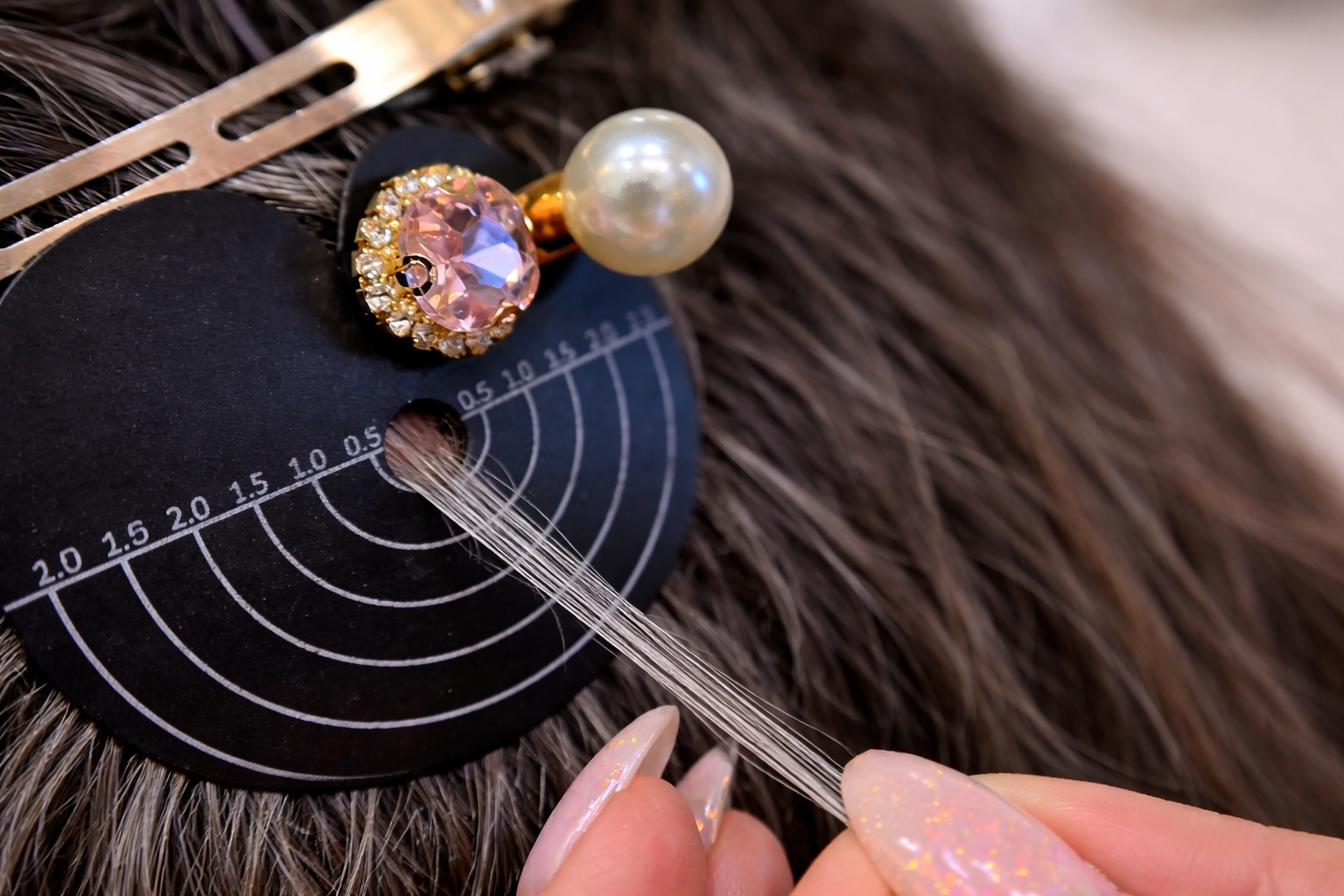
- Micro-ring/nano-ring extensions — no heat or glue involved, but improper clamping can cause breakage.
Choosing the right method for your hair texture and density is critical. A good stylist will always assess your natural hair before recommending a technique.
Myth #4: You Don’t Need to Care for Your Natural Hair While Wearing Extensions
The truth: Your natural hair needs more attention, not less.
This is one of the most dangerous misconceptions. When extensions are in, many women forget that their real hair is still growing and still needs moisture, nourishment, and gentle handling. Neglecting your scalp and roots while wearing extensions can lead to buildup, dryness, breakage, and yes — real damage. Washing your hair regularly (but gently), using lightweight oils on the scalp, and keeping your natural hair moisturized are non-negotiables.
Myth #5: Cheap Extensions Are Just as Good as Quality Ones
The truth: The quality of hair used directly impacts the health of your natural hair.
Low-quality synthetic or heavily chemically processed hair tangles easily, causes friction, and can create matting close to the scalp — all of which lead to breakage when you try to detangle. High-quality Remy human hair, where all cuticles run in the same direction, behaves much more naturally, causes far less friction, and is gentler on your own strands.
The Real Key to Damage-Free Extensions
The bottom line is simple: extensions are a tool, and like any tool, the outcome depends on how they’re used. Here’s what genuinely protects your hair:
- Always consult a certified, experienced stylist who assesses your hair health before application.
- Never skip the recommended rest periods between extension sets (typically 6–8 weeks).
- Follow a proper aftercare routine — gentle washing, moisturizing, and using the right brush.
- Listen to your hair. If you feel tension, pain, or notice unusual shedding, address it immediately.
- Invest in quality — both in your extensions and in your stylist.
Hair extensions, when done right, are not the enemy of healthy hair. They can actually protect your ends and give your natural hair a chance to grow undisturbed. The fear surrounding them is largely based on bad experiences that stem from avoidable mistakes. Educate yourself, choose wisely, and your hair can have the best of both worlds — gorgeous length today and healthy strands tomorrow.
