Heat styling is part of everyday beauty routines, and one of the most common questions clients ask is how hair extensions respond to it. The good news is that modern hair extensions are designed to handle heat well — when used correctly. Understanding how extensions react to heat helps preserve their look, texture, and longevity.
Human Hair Extensions and Heat
High-quality hair extensions made from 100% human hair react to heat in a similar way as natural hair. They can be straightened, curled, or styled with heat tools while maintaining a smooth, natural finish.
The key difference is that hair extensions do not receive natural oils from the scalp. Because of this, they require a bit more attention when exposed to heat to avoid dryness or loss of softness over time.
Safe Temperature Matters
One of the most important factors in heat styling is temperature control. Hair extensions perform best at moderate heat settings. Excessively high temperatures can dry out the hair and reduce its lifespan.
Using controlled heat allows extensions to keep their shine, elasticity, and natural movement. Slow, steady passes with styling tools are always better than repeated high-heat exposure.
Heat Protectant Is Not Optional
A heat protectant should always be applied before styling. This creates a barrier that reduces moisture loss and protects the hair cuticle. With regular heat styling, this step makes a visible difference in how long hair extensions stay smooth and polished.
How Keratin Bonds React to Heat
Keratin bonds and k-tip extensions are durable, but they are sensitive to direct heat contact. Styling tools should never be placed directly on the bonds themselves.
When heat is applied too close to keratin bonds, they may soften or lose shape. Proper technique means styling the lengths while keeping a safe distance from the attachment points.
Curling and Straightening Extensions
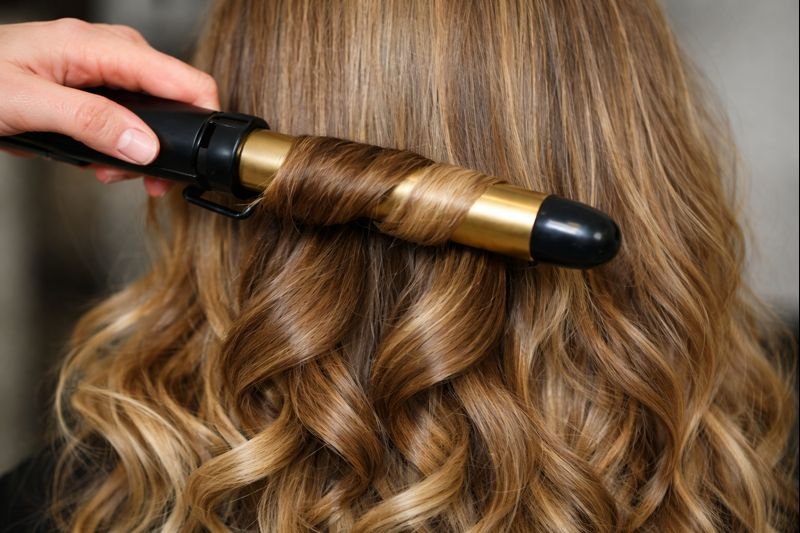
Hair extensions hold styles well when heat is used correctly. Curls tend to last longer on extensions due to consistent texture, while straightening creates a sleek, uniform finish.
After styling, allowing hair to cool fully helps lock in the shape and reduces the need for repeated heat application.
Long-Term Effects of Heat Styling
Occasional heat styling does not damage hair extensions. However, daily high-heat use without protection can shorten their lifespan. Balanced routines — combining heat styling with air drying and low-heat options — help maintain softness and durability between corrections.
Professional Guidance Makes a Difference
At Alexandra’s Hollywood Hair, a professional Hair Extensions Network with locations in Los Angeles and Dallas, clients receive clear guidance on how to style hair extensions safely. With proper tools, temperatures, and habits, extensions remain smooth, flexible, and natural-looking throughout wear.
Final Thoughts
Hair extensions are compatible with heat styling when treated correctly. Moderate temperatures, heat protection, and careful handling around keratin bonds allow extensions to look styled without compromising quality.
When heat is used thoughtfully, hair extensions stay beautiful, manageable, and comfortable in everyday life.
