
Getting hair extensions is a significant investment — both financially and for the health of your natural hair. The difference between a transformative result and a damaging disaster often comes down to one thing: the skill and professionalism of the specialist you choose. With so many stylists claiming expertise in extensions, knowing how to separate genuinely qualified professionals from those who simply call themselves one is essential.
Here is a practical guide to evaluating a hair extension specialist before you sit in their chair.
1. They Conduct a Thorough Consultation First
A true professional never skips the consultation. Before recommending any type of extension, they assess the current state of your natural hair — its thickness, porosity, texture, and overall health. They ask about your lifestyle, maintenance habits, and the look you want to achieve.
If a specialist jumps straight to quoting prices or booking an appointment without asking questions, consider it a red flag. Professionals understand that extensions are not one-size-fits-all, and the consultation stage is where a personalized plan is built. They should also be honest with you if your hair is not currently in a condition suitable for extensions and recommend a treatment plan instead.
2. They Have Verifiable Training and Certifications
Hair extension application is a specialized skill. While general cosmetology training provides a foundation, it rarely covers extension techniques in depth. Professional specialists typically hold certifications from recognized extension brands or training academies — such as Great Lengths, Hairdreams, Babe Hair Extensions, or similar programs.
Do not hesitate to ask where they trained and how recently they updated their skills. The industry evolves constantly, and a committed professional invests in ongoing education. Certifications should be visible in their salon or readily available on their website. If they become defensive about this question, take note.
3. Their Portfolio Is Diverse and Authentic
Any specialist worth their price will have a well-documented portfolio of their work. Look beyond curated highlights and seek out photos that show a variety of hair types, extension methods, and results across different clients. A professional portfolio should include before-and-after comparisons, multiple application methods (tape-in, fusion, weft, micro-link), work on different hair textures and natural colors, and consistent, natural-looking blends where extensions are not obviously detectable.
Be cautious of portfolios that all look suspiciously perfect or feature only one type of client. Authentic work reflects real diversity.
4. They Work With Quality Hair and Products
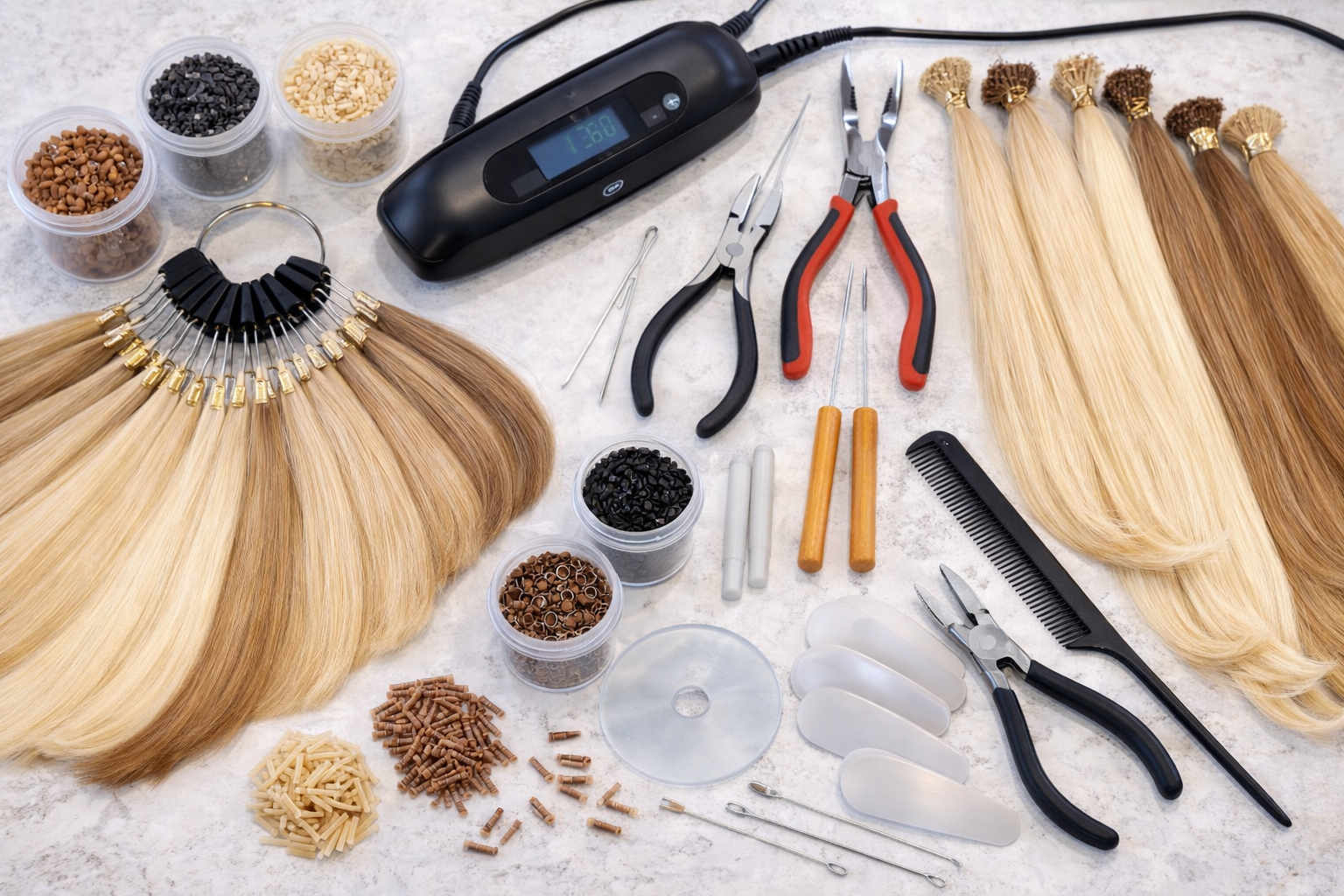
The quality of the hair used dramatically affects the result and longevity of your extensions. A professional specialist works exclusively with high-grade, ethically sourced human hair — Remy hair being the gold standard, where all cuticles run in the same direction to prevent tangling and matting.
They are also transparent about the brands and products they use. If a specialist is vague about the source of their hair or pushes suspiciously cheap options, this is a warning sign. Quality costs money, and professionals know that cutting corners on materials ultimately damages both your hair and their reputation.
5. They Explain Aftercare in Detail
A hallmark of a true professional is how seriously they take aftercare. Before you leave the salon, they should walk you through a complete maintenance routine — which products to use, how to brush and wash your extensions, how to sleep with them, and when to come back for a follow-up or adjustment.
They should also be clear about what can damage extensions: excessive heat, certain ingredients in shampoos (like sulfates and alcohols), and improper brushing technique. A professional who cares about your long-term results will make sure you leave with the knowledge to protect your investment.
6. They Are Transparent About Pricing and Realistic About Results
Professionals do not use vague pricing or pressure tactics. They provide a clear, itemized breakdown of costs — including the hair itself, application, and any maintenance appointments — before any work begins. They also set realistic expectations.
If a specialist promises dramatic volume or length without acknowledging any limitations based on your natural hair, be skeptical. Honest professionals tell you what is achievable and what is not, even if it is not what you want to hear. That honesty is a sign of genuine expertise, not a lack of ambition.
7. Their Client Reviews Speak Consistently
Online reviews are one of your most powerful research tools. Look for patterns rather than individual opinions. Consistent praise for natural-looking results, gentle technique, thorough communication, and good aftercare guidance are all strong indicators of a true professional.
Pay equal attention to how they respond to negative reviews. A professional handles criticism with grace and a willingness to resolve issues — not defensiveness or dismissal.
Final Thought
Choosing a hair extension specialist is not just about finding someone who knows the technique — it is about finding someone who treats the health of your hair with the same care you do. A truly professional specialist combines technical mastery with honest communication, quality materials, and a genuine investment in your satisfaction. Take your time, ask the right questions, and trust your instincts. Your hair is worth it.
